Severe endometriosis and pelvic floor rehabilitation are closely connected in many cases of chronic pelvic pain, especially when inflammation, adhesions and functional limitations affect the patient’s quality of life.
Severe endometriosis can profoundly transform a woman’s life—not only because of the physical pain it may cause, but also because of the emotional, functional, and social impact associated with delayed diagnosis or conventional treatments that do not manage symptoms adequately.
The case of Melisa Gaona, a Colombian patient who travelled from India to Barcelona to continue her rehabilitation process, has shed light on the reality faced by millions of women worldwide: the need to continue advancing complementary approaches for the management of chronic pelvic pain and functional recovery in patients with complex endometriosis.
A common condition, yet still underdiagnosed
According to the World Health Organization, endometriosis affects approximately 190 million women and girls of reproductive age worldwide, representing around 10% of this population.
Despite its high prevalence, endometriosis remains frequently underdiagnosed. Many patients live for years with disabling menstrual pain, chronic pelvic pain, urinary symptoms, digestive issues, infertility, or significant functional limitations before receiving an accurate diagnosis.
Endometriosis occurs when tissue similar to the lining of the uterus grows outside of the uterus. This can cause inflammation, adhesions, and alterations that may deeply affect patients’ quality of life.
The story of Melisa Gaona
Melisa Gaona was diagnosed with severe endometriosis after years of misdiagnoses and multiple treatments that did not provide significant symptom relief.
For a long time, she lived with chronic pelvic pain, severely affecting her quality of life. Her suffering became so extreme that Melisa publicly shared her intention to request euthanasia in Colombia, as she felt unable to live with the pain she experienced every day.
In search of an alternative, she decided to “play her last card” and travel to India to undergo specialized surgery with one of the internationally recognized physicians in the management of complex endometriosis.
After surgery, Melisa needed to continue with a rehabilitation process aimed at restoring function and further reduction of the symptoms associated with persistent pelvic pain. This was when she learned about CAPENERGY’s TecarEvolution technology and its pelvic floor applications. She decided to travel to Barcelona and start yet another complementary treatment.
Severe endometriosis and pelvic floor rehabilitation: a professional approach
In patients with severe endometriosis, pelvic floor rehabilitation may be part of a complementary clinical approach aimed at supporting functional recovery, chronic pelvic pain management and professional rehabilitation strategies.
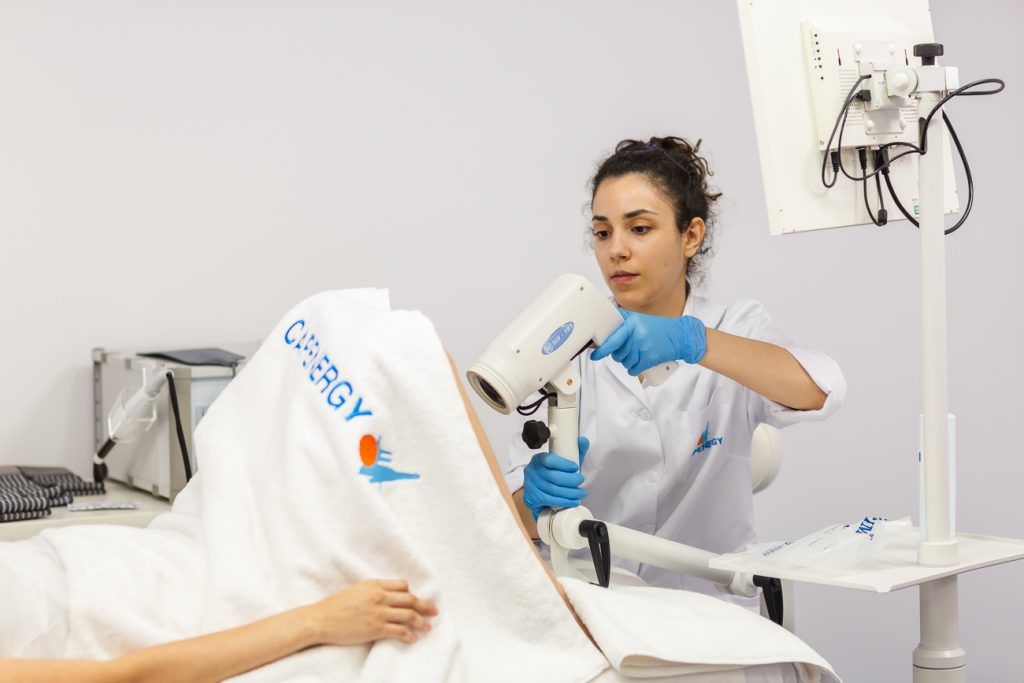
CAPENERGY radiofrequency applied to the pelvic floor is currently used within different lines of functional rehabilitation.
Its application is oriented toward pain modulation, improved vascularization, tissue recovery, and functional optimization in gynecological patients, always within a professional and personalized approach.
In Melisa’s case, the treatment was part of a complementary rehabilitation process following surgery. After completing 20 sessions, she publicly shared some of the functional improvements she experienced in her daily life.
Pelvic floor rehabilitation with CAPENERGY technology
“I have been able to urinate better. Before, I had to use urinary catheters every 3 or 4 hours because I could not fully empty my bladder, which also increased the risk of infections. The improvement I have felt is that, by relaxing the entire pelvic floor area, the urethra can maintain a more consistent flow, and it does not hurt as much anymore.”
Melisa Gaona
Melisa also explained that the intensity of her pain decreased significantly during this rehabilitation process:
“On a scale from 1 to 10, reaching a 5 is already a very significant improvement for me. My menstrual pain decreased a lot. Before, it literally left me bedridden. Now it is no longer as painful and I can be more active even during my period.”
Melisa Gaona
Evolution of inflammatory markers in the case
Between March 13 and April 22, three markers associated with inflammatory status showed a favorable evolution within the complementary rehabilitation process.
CRP
↓ 54%
From 6.10 to 2.80 mg/L
View interpretation
C-reactive protein is a marker commonly used to assess general inflammation. In this individual case, the value decreased by approximately half.
TNF-α
↓ 31%
From 7.84 to 5.44 pg/mL
View interpretation
TNF-α is an inflammatory marker associated with inflammatory processes and pain sensitization. In this individual case, it showed a 31% reduction.
ESR
↓ 17%
From 6.00 to 5.00 mm
View interpretation
The erythrocyte sedimentation rate is a non-specific indicator of inflammatory activity. In this individual case, it showed a moderate reduction.
According to the specialists: “The coordinated reduction in TNF-α and CRP in just one month suggests that the intervention helped desensitize the chronic pelvic inflammatory focus, interrupting the pain cycle characteristic of the patient.”
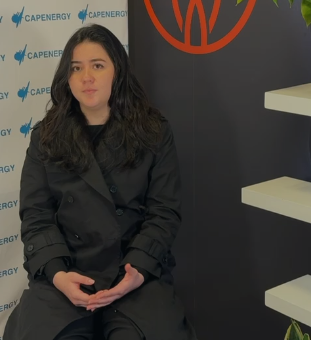
You can watch her full testimonial here:
The case of Melisa Gaona highlights the importance of continuing to research, develop technology, and offer complementary alternatives that can help many women recover function and well-being and regain hope.
At CAPENERGY, we continue working so that more professionals can access advanced, safe, and evidence-based tools capable of supporting highly complex rehabilitation processes.
Would you like to learn more about CAPENERGY radiofrequency and how it can be integrated into professional approaches for endometriosis-related pelvic floor rehabilitation? Request a free demonstration and do not miss our upcoming webinar, where you can learn more about this treatment approach.
